

Every so often, motocross circles back to the same dangerous thought:
What if the big two strokes came back?
Not in a vet racing way. But as a genuine modern racing option.
And lately, that idea doesn’t feel quite as far fetched as it once did.
For years, 500 two-strokes sat in the history books, loved, but finished. The bikes were brutal, fast, and legendary, but the sport moved on to lighter, smoother, more refined machinery.
But something’s changing.
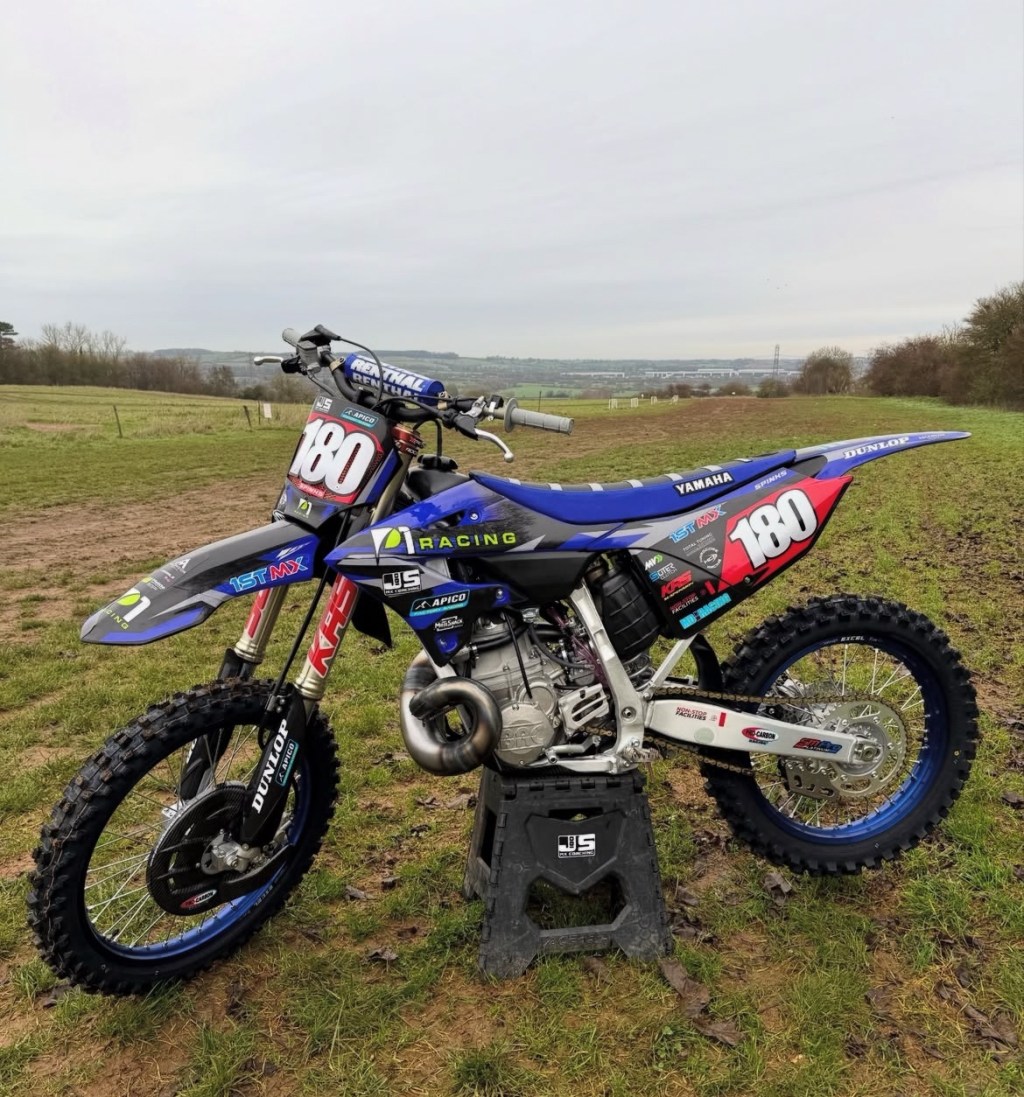
There’s a growing wave of riders building modern 500s, dropping big bore engines into modern frames and suspension setups. Yamaha even offers bolt on kits that make the idea far easier than it used to be. Suddenly, the 500 isn’t just a bike you see in old race footage, it’s showing up in garages, practice tracks, and increasingly in serious conversations.
And now it’s edging closer to actual competition again.
One rider putting that theory to the test this season is Josh Spinks, who’s planning to line up on a YZ500 in the Plews Nationals and selected Dirtstore British Championship rounds. That alone tells you something about where this is heading.
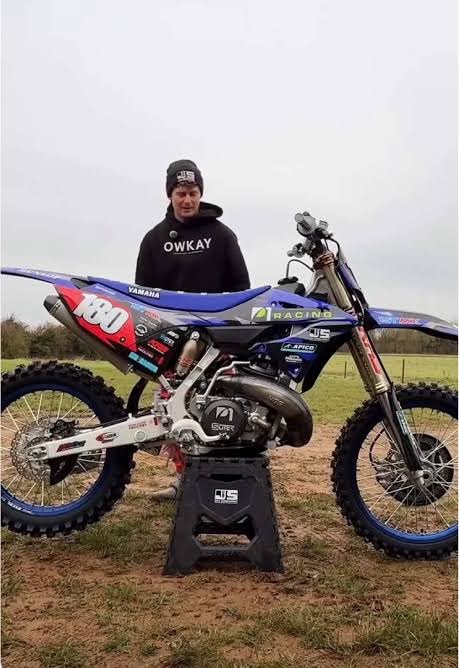
for the 26’ season
This isn’t a nostalgia thing. It’s a genuine attempt to see whether a modern day 500 two stroke can hold its own in today’s racing environment. And when you start imagining that big two stroke unit housed inside a modern chassis with modern suspension, brakes, and ergonomics, the idea becomes a lot more appealing.
Back in the day, 500s were famous for being almost as hard to ride as they were fast. Suspension struggled to cope, frames flexed, brakes faded, and the ergonomics were built for survival. The engines delivered brutal, instant torque with very little forgiveness, which made them spectacular but slightly unpredictable at times.
Put that same style of motor into a modern chassis, though, and suddenly things change. Today’s bikes are far more stable, far more predictable, and far easier to man handle. With modern geometry, suspension that can actually handle rough tracks, and braking performance that keeps things in check, a properly built 500 could deliver enormous torque, explosive drive, and straight line speed that few bikes could match, all while maintaining the mechanical simplicity that made two-strokes so appealing in the first place.
Modern 450 four-strokes are incredible machines. They’re refined, tractable, and plenty fast enough when ridden well. But they’re also complex, expensive, and packed with electronics and internal components that require constant attention.
A well built modern 500 two stroke offers a different kind of performance. It trades an instant aggressive snap off the bottom for a more roll on torque response. In the right hands, with the right setup, it’s not unreasonable to think a 500 could match, or at least seriously challenge today’s 450s in acceleration, drive, and general excitement.
And if riders like Spinks prove it can run competitively in a professional championship environment, the idea stops being talk and starts becoming real.
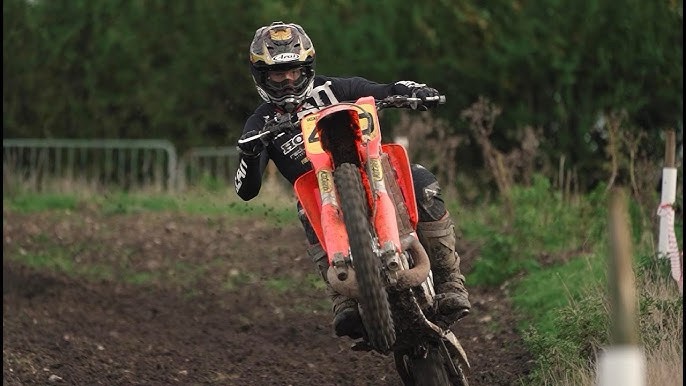
If the 500 can be competitive, why hasn’t it already come back?
The answer isn’t actually performance it’s the industry itself if you ask me. Manufacturers are deeply invested in four-stroke technology, race regulations are structured around it, and emissions laws make large capacity two strokes a nightmare to mass produce. Even if the bike works on track, the ecosystem around the sport isn’t designed to support it.
But motocross has always had an underground streak.
In an era of electronics, mapping, and ever-increasing complexity, the idea of a big two-stroke has a certain appeal. It feels very mechanical, It doesn’t hide behind settings or software.
That’s why modern 500 builds are gaining traction online and why projects like Spinks’ are getting attention. They represent something different in a sport that sometimes feels overly refined.
Not a step backwards, just a different direction.

 Site Tite
Leave a comment